



Growing together: Integrating farmers into value chains with sustainable finance

Growing together: Integrating farmers into value chains with sustainable finance

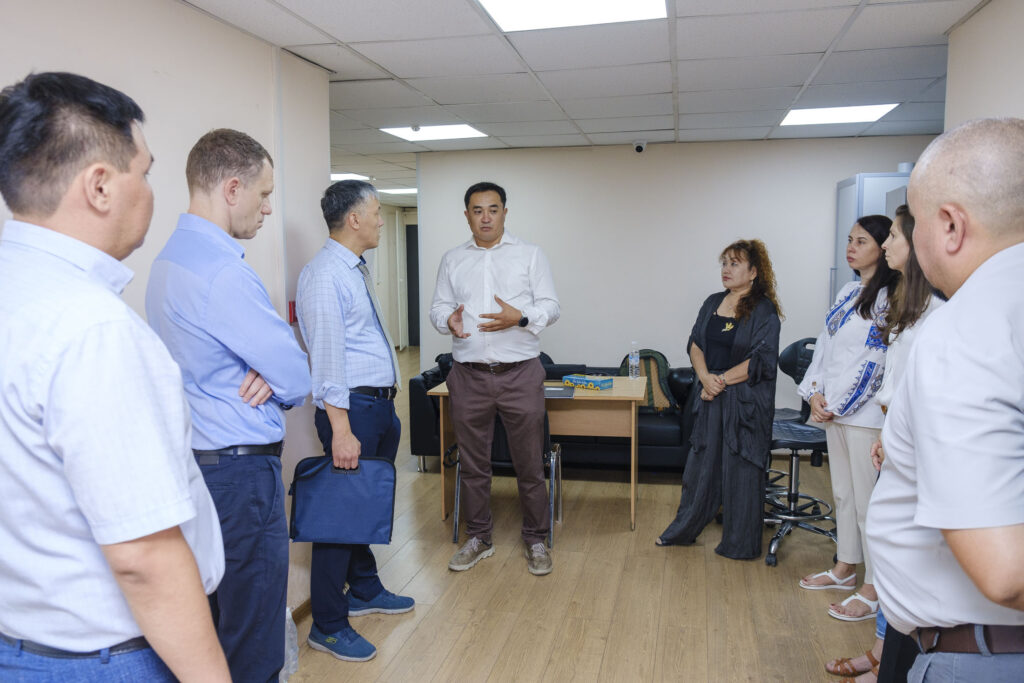
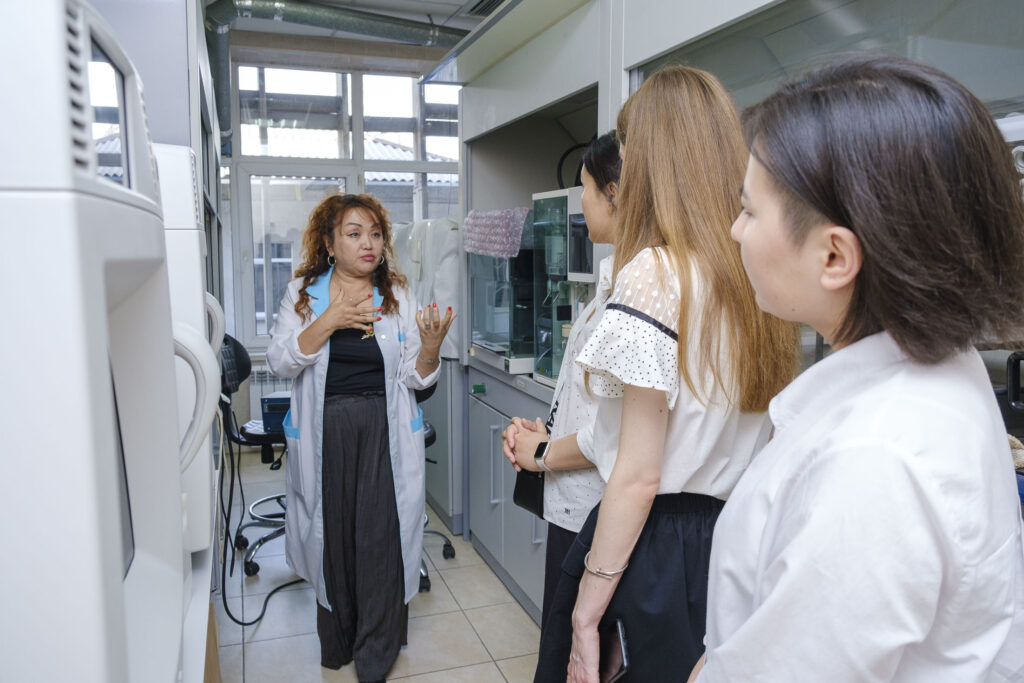
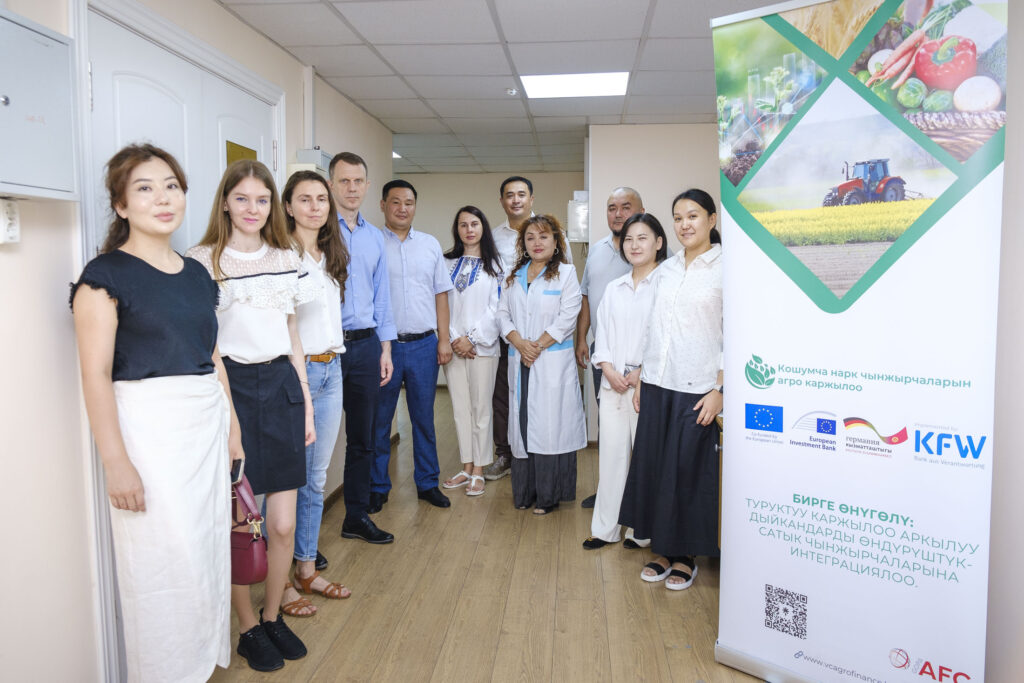
The “Value Chain Agrofinance” project has commenced activities to master testing methods for agricultural and food products.
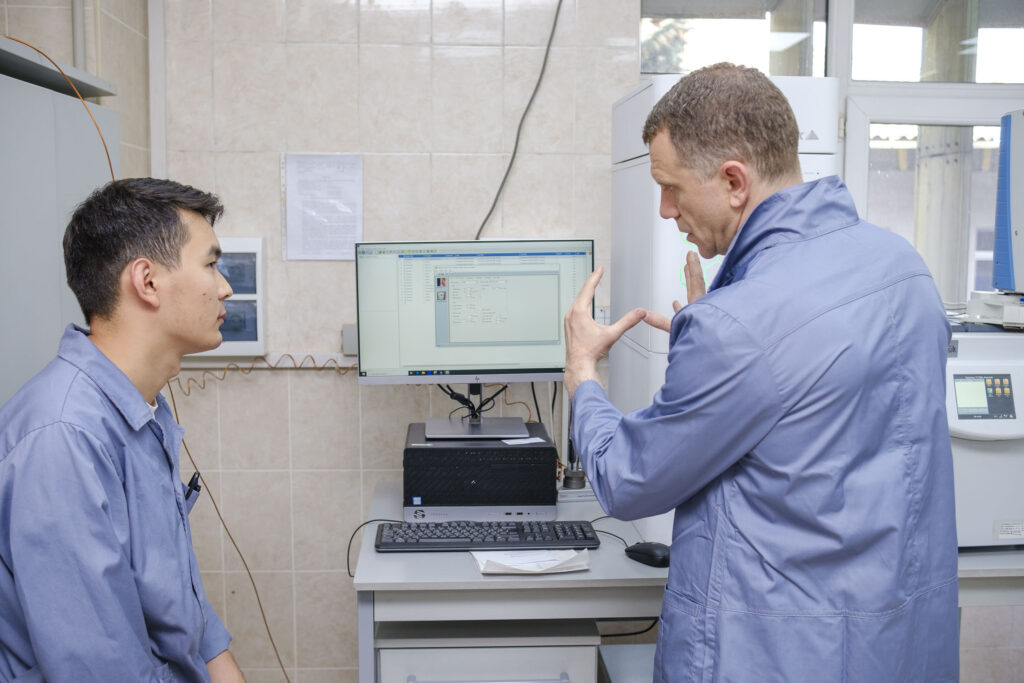
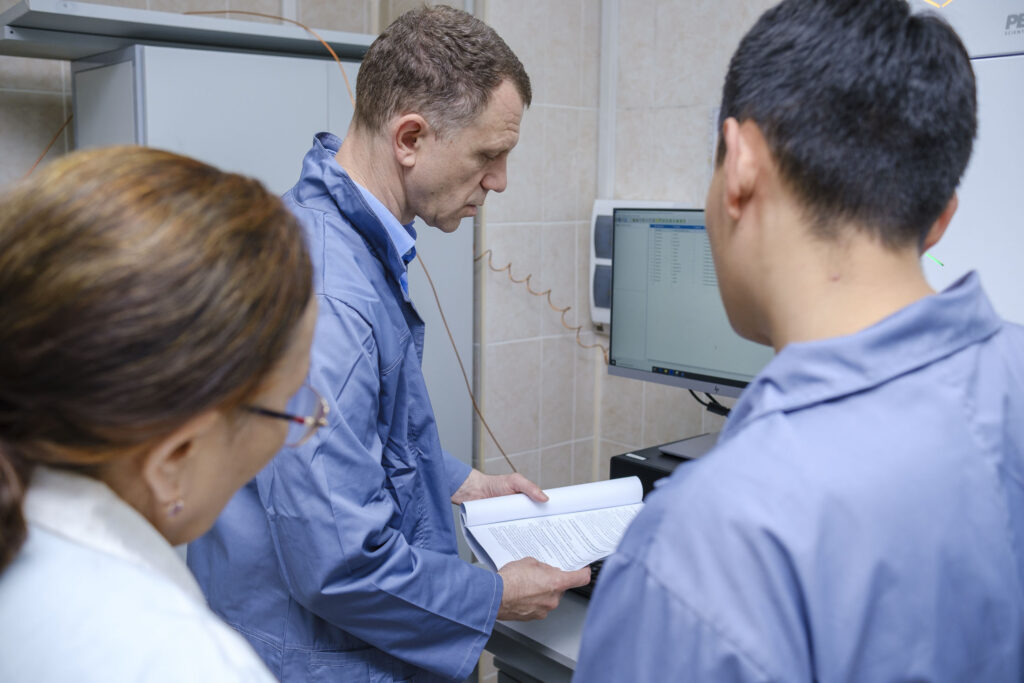
During the first visit, international experts from Latvia and Ukraine are providing practical training to specialists from the Bishkek Center for Testing, Certification, and Metrology. The training covers the detection of genetically modified organisms in food products, the determination of residual tetracycline antibiotics using high-performance liquid chromatography with a mass spectrometric detector in food products, and the analysis of fatty acid composition of the fat phase using gas chromatography.
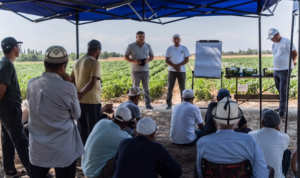
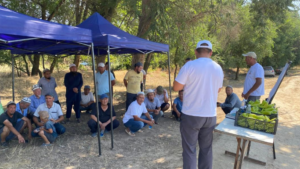
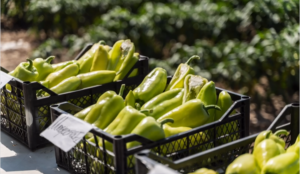
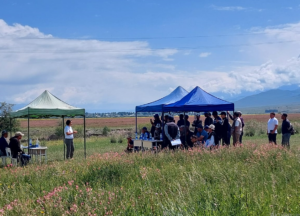
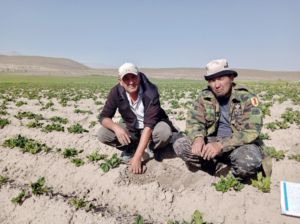
On July 24th, a practical field day was held in Nizhne-Chui village, Sokuluk district, with 45 farmers in attendance. We showcased modern technologies for cultivating hybrid and varietal sweet peppers.

Experts Abdulhamid Mamashukurov and Maksat Kozhomkulov shared their experience and knowledge, demonstrated cultivation techniques, and discussed the economic efficiency of growing this crop.

The farmers learned about proper fertilization, the importance of crop rotation, drip irrigation, and received practical advice to help increase their yields and product quality. Let’s continue to develop our agriculture together and reach new heights! This field day is part of the technical assistance implemented by GOPA AFC, financed through KfW, EU, EIB.


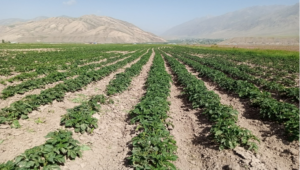
From July 16 to 19, 2024, as part of the ‘Agricultural Value Chain Finance’ project, an expert mission from the Netherlands on seed potato field inspection took place in the Chon-Alai District, Osh Region.


The purpose of the visit was to conduct a hands-on training to prepare local field inspectors. Among the participants were representatives of the regional divisions of the Department of Agricultural Crop Expertise under the Ministry of Agriculture of the Kyrgyz Republic. Invited experts from the Research Institute of Vegetable and Melon Crops and Potatoes of the Republic of Uzbekistan also participated in the event.


During the meeting, plans and expected outcomes of the joint work within the project were discussed. Collaboration with international experts and the use of advanced practices will help establish a Quality Control and Certification System (QCCS) to enhance the export potential of seed material in the Kyrgyz Republic.


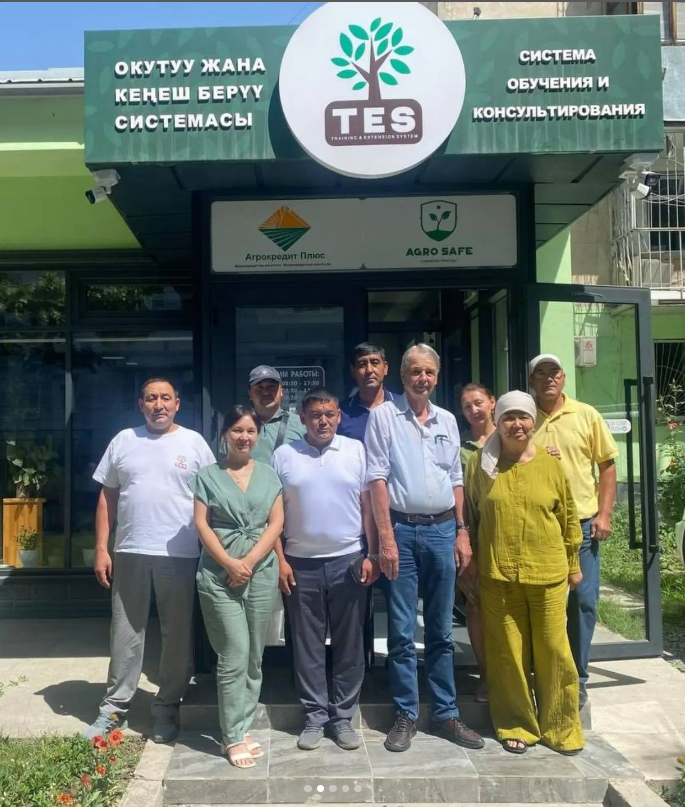
On July 17, 2024, farmers from Pervomayskoye, Sokuluk District, gathered for a field day dedicated to the innovative “CONVISO SMART” technology for growing sugar beets. The event saw participation from farmers, representatives of the TES Center, «KWS» Agro-industrial company, and the “Kaindy Kant” and “Koshoi” factories, as well as leading agricultural experts.

Experts shared valuable insights on combating weeds, pests, and diseases, and discussed promising KWS sugar beet hybrids. They highlighted how this technology can increase sugar beet yields, reduce herbicide costs, and improve product quality.

Farmers also toured demonstration plots showcasing the application of CONVISO SMART technology.


On July 15, 2024, staff from the Rural Advisory Service (RAS) Jalalabad, who are implementing zero-till agricultural schemes, participated in an online training focused on monitoring.

The training equipped participants with a comprehensive understanding of key indicators for zero-till schemes, effective monitoring methodologies, and proper data collection techniques.

Participants received expert guidance on modern crop monitoring practices and actionable recommendations for successful monitoring activities.

To reinforce their learning and ensure practical application, a field trip to the Jalal-Abad region is scheduled. During this trip, participants will collaborate with agronomists to collect essential data and assess crop health firsthand. This training is part of the technical assistance implemented by GOPA AFC in Kyrgyzstan, financed through KfW, EU, EIB.


This year, our farmers in the At-Bashinsky district planted super elite seed potatoes of the Silvana, Peridiz, Kolomba, and Kmeliya varieties.

As a result, from July 8 to 10, 2024, a field visit was conducted in the Naryn region as part of the “Agrofinancing of Value Chains” project to monitor and evaluate the condition of irrigated seed potatoes.


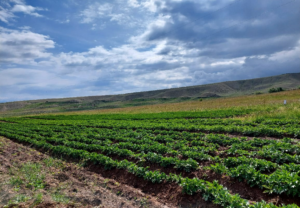
During the field visit, project experts visited 4 demonstration plots. The overall condition of the fields is excellent, with no signs of diseases or pests despite the abundant rainfall. However, to prevent disease development, the project’s farmers use additional methods to protect the crops from pests and apply nutritional supplements to enhance soil fertility.


Recently, the agricultural consulting service—project partner—visited the seed potato plots in the villages of Kalichino, Acha-Kaindy, Bash-Kaindy (At-Bashinsky district), and Ak-Jar (Kochkor district) as part of the Agrolead company’s seed potato program.

Continuing with the monitoring activities, a seed production training was also held on July 9, where farmers and participants in agricultural schemes took part. The training aimed to enhance farmers’ knowledge of seed potato production and processing methods.


In the frame of «Value Chain Agro Finance» project in Kyrgyzstan a monitoring of seed potato (super elite, elite, R1) was held in Chon-Alai region from 2 -4 July. The monitoring was organized in coordination with the project partner agricultural advisory company «TES-Centre».

As a part of the monitoring  the project experts inspected reproductive crops  and provided the following recommendations to the farmers:

1. Cultivation

2. Use of herbicides according to instructions

3. Manual weeding if necessary

4. Nitrogen fertilization with irrigation

5. Hilling of fields

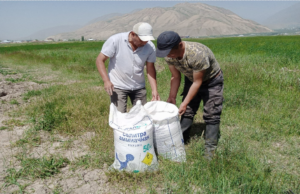
To sustain the compliance with the agronomic requirements, the farmers regularly receive on time technical support and recommendations on the proper use of herbicides technology.


From May 22-31, we spearheaded a series of comprehensive trainings in Bishkek, focusing on food safety and certification for the Bai Elim Company LLC. These trainings were part of our broader initiative to support enterprises in their efforts to integrate robust certification systems.

The sessions were designed to elevate the company’s understanding of international certification scheme requirements and to underscore the advantages of adopting such schemes, covering key aspects of primary certification schemes and their alignment with international standards. Our certified expert from GOPA AFC, Almaz Davletov, led these training sessions.

With his extensive experience in the assessment, development, and integration of certification systems in the food production sector, Almaz was able to engage the participants, sparking great interest and motivation. With this newly acquired knowledge, Bai Elim Company is now better equipped to effectively navigate the process of certification scheme integration, enhancing their food safety measures.


Recently, we held a training session on planting pepper in Nizhne-Chuy village, Kyrgyzstan; a collaborative effort between our project experts and the “TES-Center” Consulting Company.

Fifteen project farmers participated, learning about innovative pepper planting technologies, soil preparation, the use of standard fertilizers, drip irrigation systems, and seedlings planting and treatment techniques.

The session, which highlighted the benefits of a new two-line planting scheme and protection methods against sunburn effects, was well-received as farmers recognized its value for sweet pepper cultivation.


The agricultural season in Kyrgyzstan’s sweet pepper fields is progressing actively. For support, our “Value Chain Agro Finance” project, in collaboration with Tes-Center Consulting Company, has initiated a series of agricultural monitoring sessions in the Nizhne-Chuy and Ak-Bashat villages.

These sessions, which kicked off from May 25-27, are designed to refine the agronomic practices of farmers and examine the preparation of soil for effective use of planting schemes and phosphorus fertilizers. Our team of project experts conducted meticulous inspections of the pepper seedlings in greenhouses, looking for any signs of diseases and crop pests.

The monitoring activities have proven quite beneficial for the farmers. They are now equipped with advanced preventive measures for plant treatment and have broadened their understanding of the best agricultural technologies. This knowledge is expected to significantly enhance their pepper cultivation practices.